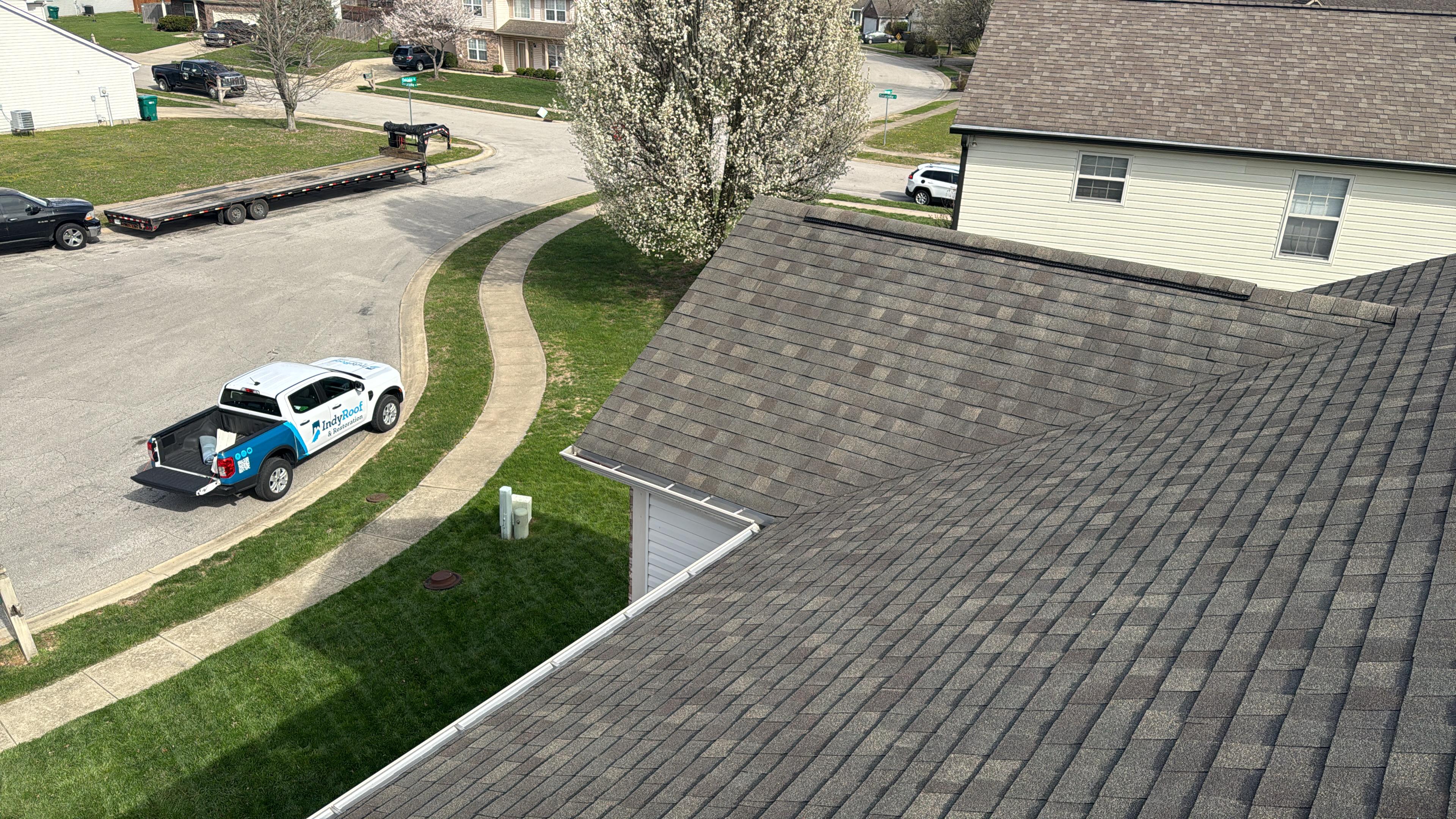
How to Think About Roof Lifespan When You Decide
Roof lifespan matters for two decisions a Coverdale homeowner faces: estimating the life left in the current roof, and choosing a material when it is time to replace. Both go better when you reason through them in order rather than guessing or reacting to a sudden leak. The material sets the expectation, the roof's condition and age refine it, and your plans for the home shape the final choice. Here is how to work through it so the timing and the material both match your situation, and so the money goes where it does the most good over the years you will own the home.
Start With the Material and Age
Begin by identifying the roofing material and pairing it with its typical range. An asphalt roof has a different clock than a metal or tile one, so the same number of years means very different things. If your architectural asphalt roof is twenty eight years old, it is near the end of its expected life. If your metal roof is the same age, it is barely middle aged. Knowing the material and the age against the typical range gives you a first, reasonable estimate of how much time is left, which is the foundation for every decision that follows about repair, replacement, and budgeting.
Weigh How Long You Plan to Stay
When replacement is on the table, your timeline should drive the material choice. If you plan to stay for decades, a longer lasting material like metal, tile, slate, or synthetic can mean never replacing the roof again, which often justifies the higher upfront cost over the years of service. If you expect to move in several years, a quality architectural asphalt roof may make more sense, since you will not be around to benefit from a century long material. Matching the lifespan of the material to how long you will own the Coverdale home is what keeps the decision economical rather than over- or under buying.
Plan the Timing Alongside the Material
The last piece is timing. Once you know the roof's remaining life from its material, age, and condition, you can plan a replacement on your own schedule rather than reacting to a sudden failure. Budget as the roof approaches the end of its range, and you turn a potential emergency into a planned expense, with time to compare materials and crews carefully. Replacing on your terms also lets you pick the right season and avoid the rushed decisions that leaks force. A Coverdale roofer can help map that timeline during an inspection, so both the material and the timing reflect a considered plan rather than a scramble after the damage is already done. For a clear sense of your roof's expected lifespan and current condition, a professional assessment is the dependable guide. The actual lifespan of a given roof depends on the material, the installation, the climate, and how well it is maintained, so these factors all play a role. Because maintenance supports longevity, keeping the roof cared for helps it reach its expected service life. Rather than a single number, a roof's lifespan varies with these factors, and a professional can assess where yours stands. A professional inspection can help you understand the condition of your roof and how much service life may remain. Choosing a durable material and ensuring quality installation, along with regular maintenance, supports a longer lasting roof for your home. For a clear sense of your roof's expected lifespan and current condition, a professional assessment is the dependable guide. The actual lifespan of a given roof depends on the material, the installation, the climate, and how well it is maintained, so these factors all play a role. Because maintenance supports longevity, keeping the roof cared for helps it reach its expected service life. Rather than a single number, a roof's lifespan varies with these factors, and a professional can assess where yours stands. A professional inspection can help you understand the condition of your roof and how much service life may remain. Choosing a durable material and ensuring quality installation, along with regular maintenance, supports a longer lasting roof for your home. For a clear sense of your roof's expected lifespan and current condition, a professional assessment is the dependable guide. The actual lifespan of a given roof depends on the material, the installation, the climate, and how well it is maintained, so these factors all play a role.
Get a Professional Read Before You Commit
Whatever the calendar and the signs suggest, a professional inspection is the step that grounds the decision. A roofer can confirm the material, estimate the remaining life, identify whether poor ventilation or install quality is shortening it, and tell you honestly whether a repair will hold or whether replacement is the smarter spend. That assessment turns a rough guess into a confident plan, whether that means scheduling a replacement, making a sound repair, or simply budgeting for a few years out. Coverdale Roofing provides that read for Coverdale homeowners, so the timing and the material both rest on the roof's real condition rather than assumptions.
Mind the Ventilation and the Install
Two factors deserve special attention when you decide, because they quietly drive so much of a roof's lifespan: ventilation and installation quality. A roof that is poorly ventilated bakes from below and fails years early, and a roof installed poorly fails early no matter the material. So when you replace, treat these as part of the decision rather than afterthoughts. Confirm that the attic ventilation will meet the requirement and that the crew has the experience to install your chosen material correctly. For a Coverdale homeowner, getting these right is often the difference between a roof that reaches the top of its range and one that disappoints, which makes them as important as the material choice itself.
Read the Condition Alongside the Age
Age is a guide, but the roof's actual condition refines it. A roof can outlast or fall short of its typical range depending on ventilation, install quality, and how it has weathered. Look at the real signs: curling and cracking, granule loss and bald spots on asphalt, repeated leaks, daylight in the attic, sagging, and moss or rot. A roof showing several of these is near the end regardless of the calendar, while a well kept roof may have life beyond its average. A Coverdale inspection assesses both the surface and the condition underneath, giving a more accurate read than age alone ever could.
Factor In Cost Over Time, Not Just Upfront
The sticker price tells only part of the story. A longer lasting roof costs more upfront but spreads that cost across many more years, so the cost per year can be competitive or even lower than repeatedly replacing a cheaper material. Asphalt is easier on the budget today, while metal, tile, and slate cost more now but last far longer. Weigh the upfront price against the expected lifespan and your plans for the home. For a Coverdale homeowner staying long term, the cost over time view often favors a more durable material, while a shorter stay can favor the lower upfront option. Both are valid depending on the situation.